
Japanese Packaging Technology: Reconciling Environmental Responsibility with Functionality
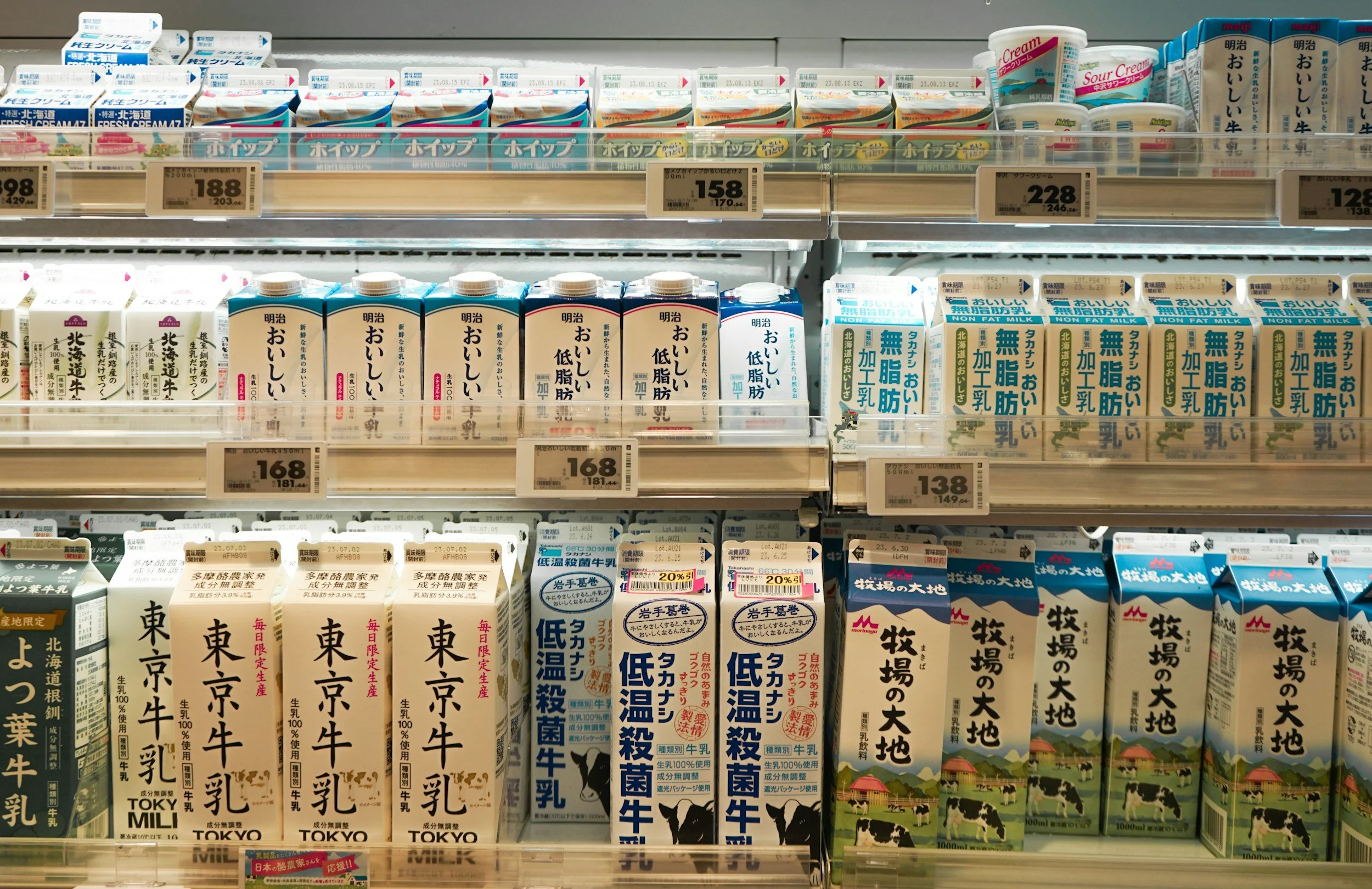
Five Functions Realised Simultaneously Through Packaging Technology
The defining characteristic of Japanese packaging technology lies in its comprehensive value proposition, which extends far beyond that of a mere "container". In the contemporary context, packaging must simultaneously fulfil five distinct roles: protective function, preservation function, information transmission function, brand value enhancement, and safety assurance.
The protective function safeguards contents from physical impacts, vibrations, and pressures during transport and storage. The preservation function prevents the ingress of oxygen and moisture, suppresses microbial proliferation, and maintains the quality of contents over extended periods. The information transmission function encompasses not only statutory labelling—such as raw materials, nutritional components, usage instructions, and expiration dates—but also the provision of traceability information through QR codes and RFID tags. In terms of brand value enhancement, elements such as design aesthetics, premium quality, and ease of use directly influence consumer purchasing inclinations. As for safety assurance, functions including anti-counterfeiting, tamper evidence, and foreign matter prevention protect both consumers and enterprises.
The ability of Japan's packaging industry to achieve all these elements at a high standard rests upon the existence of stringent regulatory frameworks and quality standards. The Food Sanitation Act establishes rigorous safety standards for packaging materials that come into contact with food. Permissible materials are restricted through a "positive list system", whereby only substances whose safety has been scientifically demonstrated are authorised for use. Furthermore, the Food Labelling Act mandates accurate and detailed information display on packaging.
Thorough traceability constitutes another Japanese characteristic. Manufacturing lot numbers enable a system whereby the entire distribution channel—from the procurement source of raw materials to manufacturing dates and shipment destinations—can be traced. Should problems arise, only the relevant lot can be swiftly identified, minimising the expansion of damage. This high level of transparency contributes to winning the trust of overseas buyers.
Moreover, the quality standards that Japanese consumers demand of packaging are exceptionally high by global comparison. Attention is required to the finest details, such as ease of opening, resealability, ease of handling, and ease of disposal. The technology honed in this exacting domestic market becomes a competitive advantage when expanding overseas.
Thorough quality control systems also constitute a strength of Japanese enterprises. A multilayered inspection regime is constructed, commencing with incoming inspection of raw materials, continuing through periodic quality verification during manufacturing processes, and concluding with either total inspection or statistical sampling inspection of final products. Many companies have obtained international certifications such as ISO 9001 (Quality Management Systems) and ISO 22000 (Food Safety Management Systems), ensuring the objectivity of quality assurance.
Manufacturing in clean room environments is also commonplace. For packaging materials intended for pharmaceutical or food applications, air cleanliness within manufacturing rooms is strictly controlled, and workers wear dedicated clean-wear. To prevent foreign matter contamination, metal detectors and X-ray inspection machines are integrated into production lines, establishing a system that overlooks not even the slightest impurity.
Environmental consideration has also become a critical element in Japan's packaging industry. The Containers and Packaging Recycling Act imposes upon packaging material manufacturers and using enterprises responsibility for the recycling of packaging materials they manufacture and use. This legislation has promoted material design that facilitates recycling and structural design that simplifies separation.
The Act on Promotion of Resource Circulation for Plastics, enforced in 2022, demands even more advanced responses. Enterprises are obligated to reduce single-use plastic products, transition to plastic alternative materials, and expand the use of recycled materials. Whilst this regulatory reinforcement represents a cost increase factor in the short term, in the long term it promotes the development of environmentally responsive technologies and leads to enhanced competitiveness in international markets.
Packaging, once perceived as a mere "container", has now evolved into a sophisticated value creation tool. Contemporary packaging must simultaneously achieve multiple objectives: protecting contents from physical damage and contamination, extending shelf life through advanced preservation technology, transmitting product information and brand value, and increasingly importantly, demonstrating environmental responsibility. This multifaceted role demands technological innovation that only a limited number of countries worldwide can provide.
The greatest challenge facing Japan's packaging industry is balancing two conflicting demands: environmental concerns and functionality. On one hand, environmental consideration—such as plastic reduction, CO2 emissions reduction, and improved recyclability—is strongly demanded. On the other hand, advanced functionality—such as freshness preservation, anti-counterfeiting, and prevention of damage during transport—is simultaneously required. In many countries, a dilemma is confronted whereby prioritising environmental response sacrifices functionality, whilst emphasising functionality increases environmental burden.
Japanese packaging technology realises this difficult reconciliation. Through precision manufacturing technology, thinning and weight reduction are achieved whilst maintaining strength and protective function. Through rigorous quality control systems, safety and traceability are ensured. And through the development of environmentally considerate materials, products combining sustainability and practicality are provided. The fusion of these three elements—precision, safety, and environmental consideration—forms the foundation of trust in Japanese-manufactured packaging materials.
The global packaging market reached 1.05 trillion US dollars in 2023, with annual average growth of 4.6 per cent anticipated through 2030. In this expanding market, Japanese packaging technology receives particularly high evaluation for its precision and reliability. The export value of Japan's packaging-related products recorded 847 billion yen in 2023, with approximately 65 per cent accounted for by Asian markets—particularly China, South Korea, and Southeast Asian nations.
Chapter 1: Characteristics of Japan's Packaging Industry
Environmental Response Technologies Advancing in Four Directions
In the global packaging market, multiple powerful needs are rising simultaneously. Firstly, concern for food safety is rapidly intensifying, centred on emerging nations. In China, Southeast Asia, India, and elsewhere, the middle class is expanding alongside economic growth, and the standard of demands regarding food quality and safety is rising. Particularly stringent standards are often applied to imported foods, and demand is increasing for packaging materials that clear Japan's high safety standards.
Secondly, counterfeit product countermeasures have become a global challenge. According to estimates by the OECD (Organisation for Economic Co-operation and Development), the value of global counterfeit trade reaches approximately 460 billion US dollars annually, inflicting severe damage upon legitimate manufacturers. In sectors such as pharmaceuticals, cosmetics, and luxury foods, the risks of health hazards and brand damage from counterfeit products are high, and demand for packaging equipped with tamper-evident functions and authenticity verification functions is surging.
Thirdly, demand for freshness preservation technology is also expanding. With the development of international logistics, cross-border trade in fresh foods is increasing, but quality deterioration becomes an issue due to extended transport durations. Japanese freshness preservation packaging technology realises long-distance transport that was previously impossible, enabling the development of new markets.
Fourthly, the rapid growth of e-commerce is bringing new demands to packaging. Products purchased online reach consumers after multiple transhipments, requiring greater durability than conventional in-store display packaging. Simultaneously, the importance of the unboxing experience is recognised, and packaging that combines functionality with design aesthetics is demanded.
Plastic reduction has become a global trend. The European Union prohibited the distribution of single-use plastic products in 2021 and has established a goal of making all plastic packaging recyclable by 2030. In the United States, plastic regulations are being strengthened at state level, with California mandating a 25 per cent reduction in plastic packaging by 2032. In Asia as well, China, Thailand, Indonesia, and others are introducing plastic regulations in succession.
Concern regarding the marine plastic problem is also rising. According to reports by the United Nations Environment Programme, approximately 8 million tonnes of plastic flow into the oceans annually, exerting severe impact upon marine ecosystems. To address this problem, the transition to biodegradable materials and paper-based materials is accelerating.
Japanese enterprises are advancing technological development in four directions in response to these global challenges. Firstly, paperisation. Movement is becoming active to convert products conventionally packaged in plastic film to paper-based packaging materials. Adoption of paper products is spreading in food trays, beverage containers, cosmetics packaging, and elsewhere. However, paper has the challenge of weakness against moisture and oils, and development of coating technology that imparts water resistance and oil resistance is being pursued.
Secondly, the adoption of bioplastics. Use is increasing of biomass plastics manufactured from plant-derived raw materials such as maize and sugarcane, and biodegradable plastics that are decomposed by microorganisms. These materials possess functions equivalent to conventional petroleum-derived plastics whilst enabling substantial reduction of environmental burden.
Thirdly, thinning technology. To reduce the quantity of materials used, technology that maintains strength whilst reducing the thickness of packaging materials is developing. Through optimisation of multilayer structures, improvement of material formulations, and advancement of moulding technology, some enterprises are realising weight reduction of 30 to 50 per cent compared with conventional products.
Fourthly, monomaterial conversion. Packaging combining multiple different materials becomes difficult to separate during recycling. Packaging materials composed of a single material have high recycling efficiency and contribute to the realisation of a circular economy. Japanese enterprises are concentrating on technological development that realises multiple functions whilst remaining a single material.
Chapter 2: Seikou Co., Ltd. – Food Freshness Preservation Packaging Technology
2.1 65 Days of Freshness Maintenance Through Microperforation Technology
Seikou Co., Ltd. (https://www.seikou-web.co.jp/), headquartered in Kita-ku, Osaka, is a film packaging materials manufacturer with a history exceeding 110 years since its establishment in 1911 (Meiji 44). Having specialised in agricultural produce packaging for over 70 years, the company plays a vital role in supporting the distribution of Japanese fruits and vegetables.
The company's business activities centre on secondary processing of films. Its greatest strength lies in an integrated production system capable of completing all processes—gravure plate-making, gravure printing, laminating, slitting, and bag-making—in-house. With six factories nationwide deployed in Shiga Prefecture, Ibaraki Prefecture, and Kochi Prefecture, supply from design planning to final products is possible within short lead times. This vertically integrated production system realises consistency of quality and rapid response to customer requirements.
The greatest challenge in agricultural produce packaging is freshness deterioration following harvest. Fruits and vegetables remain alive after harvest and continue respiration and transpiration. Through the process of consuming oxygen and releasing carbon dioxide through respiration, sugars are broken down and nutritional value declines. When moisture is lost through transpiration, wilting and discolouration progress. Furthermore, the release of ethylene gas accelerates ripening. How to control these physiological phenomena constitutes the core of freshness preservation technology.
At the heart of the proprietary technology developed by Seikou lies the microperforated film "Iterno". This technology adjusts the permeability of oxygen and carbon dioxide by forming precisely controlled micropores on the film surface. By optimising the size, density, and arrangement pattern of the pores according to the type of fruit or vegetable, optimal preservation environments are realised for each.
In conventional MA (Modified Atmosphere) packaging, complete sealing was necessary. The slightest hole or tear would result in loss of effectiveness, requiring meticulous care in handling. Moreover, because optimal gas permeability differs according to the type and quantity of produce and storage temperature, different films needed to be prepared for each application. Iterno can be used even in open-type packaging that does not require sealing, thereby substantially improving workability.
Another principal product, "S&S Film", realises freshness preservation through a different approach. By applying a special coating to the film surface, it establishes an optimal humidity environment for fruits and vegetables. Whilst produce continues to lose moisture through transpiration after harvest, excessive water evaporation causes wilting and discolouration. Conversely, when moisture accumulates excessively within packaging, condensation occurs and the risk of mould and decay increases. S&S Film maintains this delicate balance optimally.
The characteristic of S&S Film lies in the possibility of smooth transition from currently used OPP (biaxially oriented polypropylene) film. Because it is a freshness preservation technology through secondary processing, existing manufacturing equipment can be used as is, enabling introduction costs to be suppressed. Furthermore, by clearly stating the freshness preservation function on package design, appeal to consumers is also enhanced.
Its performance is demonstrated numerically. For instance, when broccoli is refrigerated, whilst yellowing begins after approximately 7 days with ordinary polyethylene film, use of Seikou's freshness preservation film enables maintenance of green colour for 65 days. With cut lettuce, the shelf life of approximately 3 days with ordinary packaging is extended to over 7 days. With strawberries, mould development is substantially suppressed and the distribution period can be extended by more than double.
This technological innovation has been highly evaluated externally as well. In 2020, at the Japan Packaging Competition organised by the Japan Packaging Institute, the microperforated film "Iterno" received the Food Packaging Division Award. This award comprehensively evaluates the innovation, practicality, and environmental consideration of packaging technology, serving as proof of the high level of technological standards within the industry.
The integrated production system across six factories nationwide contributes not merely to improved manufacturing efficiency but also to quality stability. Through close coordination amongst the design department, printing department, processing department, and quality control department, rapid response to customers' detailed requirements is possible. Moreover, because all processes are visualised, identification of causes and improvements when problems occur can be carried out promptly.
2.2 Safety Realised Through Food Sanitation Act Compliance and Traceability
Stringent safety standards apply to packaging materials that come into direct contact with food. Seikou's products comply with all standards stipulated by the Food Sanitation Act. The raw materials used employ only substances whose safety has been scientifically demonstrated, based on the positive list system established by the Ministry of Health, Labour and Welfare. Under this system, substances that can be used in food contact materials are listed exhaustively, and use of substances not recorded on the list is prohibited.
Manufacturing in clean room environments is conducted at all six factories nationwide. Workers wear dedicated clean-wear and pass through air showers before entering manufacturing areas. Air within manufacturing rooms is constantly filtered, and temperature and humidity are also strictly controlled. To prevent foreign matter contamination, metal detectors are installed on production lines, establishing a system that overlooks not even the slightest foreign matter.
A traceability system is also fully established. Each product is assigned a manufacturing lot number, enabling identification of the procurement source of raw materials, manufacturing date and time, manufacturing line, and person in charge. All processes from receipt of raw materials to shipment of final products are recorded and stored for extended periods. Even should problems occur, only the relevant lot can be swiftly identified, enabling prevention of damage expansion. This constitutes an indispensable element in winning trust within the food industry.
At the core of the company's technological development lies the Freshness Preservation Laboratory established in Tsukuba City, Ibaraki Prefecture. At this facility, where dedicated researchers are stationed, respiration measurement of fruits and vegetables, evaluation of film permeability, and actual packaging trials are conducted daily. Because the respiration volume of various fruits and vegetables fluctuates significantly according to temperature, data under diverse temperature conditions is being accumulated. Based on this data, optimal film design according to customer requirements becomes possible.
Basic research towards development of new packaging is also conducted at the laboratory. Because fruits and vegetables after harvest exhibit various physiological phenomena according to type, development of functional packaging adapted to conditions such as crop type and distribution environment is required. Post-harvest physiological phenomena such as respiratory activity, ethylene generation, and transpiration are measured in detail, deriving optimal packaging conditions for each.
Effort is also devoted to grasping the characteristics of plastic films. Characteristics such as oxygen permeability, water vapour permeability, and strength differ significantly according to the type of raw material, film-forming method, and film thickness. At the laboratory, the characteristics of diverse films are measured, and basic data for selecting packaging materials optimal for fruit and vegetable freshness preservation is being accumulated.
Focus is also placed on scientific substantiation of technology. In 2020, a research paper concerning freshness preservation technology was presented at the Annual Conference of the Japan Packaging Society. Through presentation in an academic setting, the scientific validity of the technology is verified by third parties. The paper reported, together with objective data, the mechanism of microperforation technology, the respiration suppression effect on fruits and vegetables, and performance evaluation under actual distribution conditions.
Furthermore, the company regularly convenes the "Fruit and Vegetable Freshness Preservation Research Group", inviting experts on fruit and vegetable freshness preservation. University professors, researchers from public research institutions, industry specialists, and others are invited as lecturers, and the latest knowledge is studied. To date, lectures have been conducted on critical themes such as "cold chain distribution", "MA packaging", "ethylene", and "transpiration". This open posture supports continuous technological innovation.
Joint research with universities and public research institutions is also actively pursued. In collaboration with the National Agriculture and Food Research Organization, agricultural experiment stations in various regions, university agricultural faculties, and others, product development based on scientific evidence is being advanced. These research achievements are published as academic presentations and papers, contributing to technological improvement across the industry as a whole.
2.3 Waste Rate Reduced from 20% to 5%—Demonstrated Cost Reduction Effect
Seikou's strength lies in flexible customisation responses according to customer requirements. Considering various elements such as the type of fruit or vegetable, distribution conditions, storage period, and budget, optimal film specifications are proposed. Through actual packaging trials at the Freshness Preservation Laboratory, actual distribution conditions are replicated and effects are scientifically verified before products are provided.
In actual packaging trials, the conditions customers actually use are reproduced as faithfully as possible. Through detailed enquiries regarding the variety of fruit or vegetable, harvest period, packaging format, storage temperature, transport duration, and so forth, freshness preservation effects are measured under those conditions. Changes in appearance, weight reduction rate, changes in sugar content and acidity, microbial proliferation status, and other factors are checked periodically and data accumulated. Whilst this process sometimes requires several weeks to several months, it constitutes an indispensable process for guaranteeing reliable effects.
A system for providing prototypes is also in place. For customers who wish to confirm effects with actual products before full-scale introduction, small-lot prototype manufacturing is accommodated. The minimum lot number is set flexibly according to consultation, enabling new technology to be tested whilst suppressing costs. Further improvements are also possible by providing feedback on evaluation results from prototypes. This enables customers to introduce new packaging technology whilst minimising risk.
Extension of freshness preservation periods leads to substantial reduction in waste losses. At one fruit and vegetable distribution enterprise, introduction of Seikou's film resulted in the waste rate declining from the conventional 20 per cent to 5 per cent. For enterprises whose annual handling volume is on the scale of several thousand tonnes, this reduction effect corresponds to cost savings of tens of millions of yen. Furthermore, by reducing fruits and vegetables that are discarded, contribution is also made to environmental burden reduction.
Weight reduction technology also constitutes an important element. Through thinning of film, whilst plastic usage is reduced, necessary strength and barrier properties are maintained. There are also cases where weight reduction of 20 to 30 per cent compared with conventional products has been realised. This leads not only to reduction of raw material costs but also to reduction of CO2 emissions during transport.
Track record of adoption within the fruit, vegetable, and food industries is abundant. At agricultural cooperatives nationwide, when branding regional speciality products is pursued, Seikou's freshness preservation packaging is adopted. For instance, with high value-added agricultural products such as luxury strawberries, melons, and grapes, reconciling freshness preservation with beautiful appearance is important. Because Seikou's film preserves freshness whilst preventing condensation, product value can be maximally elicited.
At fruit and vegetable wholesale markets as well, Seikou's technology is widely used. In the distribution process of delivery from market to retail shops and in-store display at retail shops, freshness preservation packaging is indispensable. Particularly with cut vegetables and salad leafy vegetables, there are regions where Seikou's film has become the industry standard.
Adoption is also advancing at food processing enterprises. With processed foods such as prepared dishes, boxed meals, and cut vegetables, the time from manufacture to consumption is extended, and freshness preservation is a major challenge. By using Seikou's film, extension of shelf life becomes possible, leading to efficiency improvements in production planning and reduction of waste losses.
At retail chains, it is utilised for differentiation of private brand products. The indication "freshness preservation film used" has high appeal to consumers and also leads to justification of price premiums. Moreover, as environmentally considerate packaging material, it contributes to corporate sustainability strategies as well.
Response to export-oriented packaging is also advancing. As overseas exports of Japanese fruits and vegetables increase, demand for freshness preservation technology that withstands long-distance transport is rising. Seikou's film can maintain the freshness of fruits and vegetables even during transport periods of several days by air freight or several weeks by sea freight. Particularly for exports oriented towards Asian markets such as Hong Kong, Singapore, and Taiwan, Seikou's film is widely adopted. It provides technical support for the export of delicate fruits such as strawberries, peaches, and grapes.
The company functions not merely as a film manufacturer but as a partner in solving challenges across fruit and vegetable distribution as a whole. Not only packaging design but also design proposals, sales method advice, and in-store display proposals are provided as total support. The design department proposes package design that maximally elicits product appeal and enhances consumer purchasing inclination.
Sales and import-export of packaging machinery also constitute part of the business. Compact packaging machinery for fruits, vegetables, and foods is handled, and by proposing film and machinery as a set, contribution is made to improving customer production efficiency. A consistent support system is established from machinery selection through introduction to maintenance.
This comprehensive value provision leads to high evaluation from customers. The technology and know-how accumulated over a history exceeding 110 years, and the posture of constantly pursuing innovation, support the distribution of Japanese fruits and vegetables.
Chapter 3: Marushin Co., Ltd. – Environmentally Responsive Packaging Technology
3.1 Seal and Label Printing Amongst the Foremost in Western Japan and Nationwide Network
Marushin Co., Ltd. (https://www.maru-sin.co.jp/), headquartered in Kurume City, Fukuoka Prefecture, has continued to grow as a comprehensive service enterprise for packaging materials since its establishment in 1968.
The company's business activities are diverse. Whilst centring on sales of packaging materials, it deploys widely from seal and label printing processing, paper container printing processing, to other commercial printing. This business diversity constitutes the source of comprehensive proposal capability towards customers. The system capable of providing, in a one-stop manner, all processes relating to packaging—from design, printing, and processing to logistics—not merely remaining at material supply, constitutes the company's greatest strength.
Boasting seal and label printing production volume amongst the foremost in western Japan, the company supplies products to diverse industries including food, cosmetics, pharmaceuticals, and daily necessities. Whilst seals and labels play an important role as the face of products, they also bear the function of transmitting statutory information such as raw material labelling, expiration dates, and barcodes. Marushin possesses technological capability that reconciles aesthetic appearance and functionality at a high level.
The sales office network deployed nationwide also supports the company's competitiveness. Centred on Fukuoka Prefecture where the head office is located, with bases throughout Kyushu and further in Kansai and Kanto, swift service is provided to customers nationwide. Through region-oriented sales activities, detailed customer needs are grasped and meticulous responses realised.
Initiatives towards environmental consideration and sustainability also constitute an important characteristic of the company. Upholding realisation of a sustainable society as a corporate philosophy, it actively pursues reduction of environmental burden, employment of diverse human resources, and contribution to local communities. This posture is reflected not merely in corporate image enhancement but in actual product development and business operations.
Effort is also devoted to diverse human resource employment. A workplace environment where diverse human resources can flourish, regardless of gender, age, nationality, or presence of disability, is established. Through collaboration of human resources possessing diverse perspectives, innovative ideas are more readily generated and response to customers' diverse needs becomes possible. This inclusive human resource strategy supports the company's sustainable growth.
3.2 Environmental Response Through Paperisation, Bioplastics, and Monomaterial Conversion
What Marushin particularly emphasises is development of environmentally responsive packaging materials. In response to the global trend of plastic reduction, deployment of paper-based packages is being actively advanced. Proposals are made to convert products conventionally packaged in plastic film to paper packaging.
The greatest advantage of paperisation lies in the fact that recycling infrastructure is already established. In Japan, the waste paper collection rate exceeds 80 per cent, and separation is also straightforward for consumers. Moreover, by using forest-certified paper, contribution can be made to sustainable forest management as well. Marushin actively adopts FSC-certified paper and PEFC-certified paper, appealing environmental consideration.
However, paper has the challenge of weakness against moisture and oils. In food packaging, because protection of contents is prioritised above all, paper alone is sometimes insufficient. Marushin is developing technology that imparts water resistance and oil resistance by applying special coating to paper. Material design that provides barrier properties whilst not impairing recyclability serves as proof of the company's technological capability.
Adoption of biodegradable materials is also being advanced. Development of seals and labels using biodegradable plastics such as polylactic acid (PLA) and polybutylene succinate (PBS) is being pursued. These materials are decomposed by microorganisms under appropriate conditions and ultimately become water and carbon dioxide. They are materials attracting particular attention as a response to the marine plastics problem.
Utilisation of biomass plastics also constitutes an important initiative. Biomass plastics manufactured from plant-derived raw materials such as maize and sugarcane can reduce the usage volume of petroleum resources. Based on the concept of carbon neutrality, contribution is made to CO2 emissions reduction across the entire lifecycle. Marushin prepares multiple grades with differing biomass content rates and proposes optimal materials according to customers' environmental targets and cost requirements.
Focus is also placed on recyclable material design. Packaging combining multiple different materials becomes difficult to separate during recycling. Marushin is advancing development of monomaterial packaging composed of a single material. For instance, seals and labels composed solely of polyethylene-based materials can be recycled together with the container body.
Track record of collaborative development with other industry companies is also abundant. In collaboration with material manufacturers, printing machinery manufacturers, food manufacturers, and others, development of eco-containers and aluminium-free containers has been pursued. Eco-containers reduce plastic usage volume by 30 to 50 per cent compared with conventional containers whilst maintaining equivalent strength and functionality.
Development of aluminium-free containers constitutes a particularly noteworthy achievement. Conventionally, aluminium foil has been widely used in food packaging. Whilst aluminium foil possesses excellent barrier properties and blocks oxygen, water vapour, and light, it had the challenge of difficult recycling. Marushin developed technology that realises equivalent barrier properties without using aluminium foil. By utilising transparent vapour-deposited films and high-barrier coatings, environmental performance and functionality are reconciled.
Efforts are also made towards weight reduction of container packaging. Through thinning of materials and optimisation of structural design, usage volume of packaging materials is being reduced. For instance, by making label thickness 20 per cent thinner than conventional products, raw material usage volume and CO2 emissions were reduced. Weight reduction also leads to fuel consumption reduction during transport, contributing to environmental burden reduction across the entire supply chain.
Reconciling printability and environmental performance also constitutes an important challenge. Environmentally responsive materials sometimes have printing characteristics that differ from conventional plastic films. To optimise ink fixation, colour development, printing speed, and so forth, in cooperation with ink manufacturers and printing machinery manufacturers, printing technology suited to environmentally responsive materials is being developed.
Effort is also devoted to quantifying CO2 reduction effects. Using life cycle assessment (LCA) methodology, CO2 emissions across all processes from raw material procurement through manufacture, transport, use, to disposal are calculated. By clearly indicating how much CO2 emissions have been reduced compared with conventional products, contribution is made to customers' environmental target achievement. In actuality, with one product, 35 per cent CO2 reduction compared with conventional products was realised.
3.3 Consistent Management System Based on ISO Certification and SDGs Policy
Marushin also focuses on establishing quality control systems. Having obtained ISO 9001 (Quality Management System) certification, quality improvement is pursued across the organisation. Through this management system based on international standards, customer requirements are accurately grasped and products and services that respond to them are stably provided.
Acquisition of environmental management system certification is also being advanced. Through ISO 14001 certification, continuous reduction of environmental burden, compliance with legal regulations, and setting and achievement of environmental targets are being organisationally promoted. Environmental policy is clarified and a system whereby all employees undertake work with awareness of environmental consideration is constructed.
Business operations based on SDGs (Sustainable Development Goals) policy also constitute a characteristic of the company. Amongst the 17 goals, particular emphasis is placed on goals such as "Responsible Consumption and Production", "Climate Action", and "Life Below Water", and concrete action plans are formulated. Through environmental reports and sustainability reports, initiative content and achievements are periodically published.
In manufacturing processes as well, a clean room system is established. Particularly for packaging materials for food and pharmaceuticals, advanced hygiene management is required. In a manufacturing environment where air cleanliness is controlled, workers wear dedicated clean-wear, minimising the risk of foreign matter contamination.
Active acquisition of environmental certifications is also being advanced. Through acquisition of environmental labels such as the Biomass Mark, Eco Mark, and Green Mark, the environmental performance of products is objectively demonstrated. These certifications serve as proof of reliability towards consumers and client enterprises.
Consistent management from raw material selection to final products is also thorough. In selection of raw material suppliers, not only quality but also environmental policy, labour environment, and compliance systems are evaluated. To realise sustainable procurement, long-term partnerships with suppliers are constructed.
In manufacturing processes, quality inspections are implemented at each stage. Inspection items according to application, such as printing quality, dimensional accuracy, adhesive strength, and barrier performance, are established, and only products clearing the standards are shipped. When defective products occur, causes are thoroughly analysed and recurrence prevention measures implemented.
3.4 Comprehensive Proposal Capability Integrating Small-Lot Response and Commercial Printing
A major strength of Marushin lies in the flexibility of small-lot response. Differing from major manufacturers that presuppose mass production, it also responds to the small-volume needs of small and medium-sized enterprises and new business operators. Whilst minimum lot numbers differ according to product, orders from units of several hundred pieces are also possible. This facilitates test sales and deployment of limited products.
Capability to respond to diverse product types also constitutes a characteristic of the company. For customers across a wide range of industries—food, cosmetics, daily necessities, industrial materials, and so forth—it responds to requirement specifications peculiar to each industry. Staff possessing specialist knowledge provide accurate advice, such as compliance with the Food Sanitation Act for food applications, compliance with the Pharmaceutical and Medical Device Act for cosmetics applications, and response to regulations in each country for export applications.
Not only sales of packaging materials but also deployment of commercial printing business enhances comprehensive proposal capability. Not only product packages but also promotional tools such as promotional posters, point-of-purchase displays, catalogues, and flyers can be produced collectively. Whilst maintaining brand image consistency, effective marketing deployment is supported.
Collaboration with the promotion business also constitutes a unique strength of the company. Starting from package design, comprehensive marketing support is provided, extending to in-store deployment, campaign planning, and social media utilisation. Particularly in regional speciality products and new product development by small and medium-sized enterprises, package design significantly influences product success or failure. Marushin provides consistent support from market research, target analysis, and design development through to test sales.
In the design department, experienced designers conduct hearings of customer requirements and propose package design optimal for product concepts. Diverse expressions according to brand strategy are possible, such as design appealing environmental consideration, design producing a sense of luxury, and design emphasising approachability.
Multifaceted perspectives from diverse human resource employment also support the company's creativity. Through collaboration of human resources differing in gender, age, nationality, and background, innovative ideas unconstrained by fixed notions are more readily generated. Through fusion of diverse perspectives—such as the perspective of female designers, the sensibility of young employees, the experience of veteran employees, and the cross-cultural understanding of foreign staff—proposal capability that can respond to customers' diverse needs is generated.
Utilisation of digital technology is also being advanced. Through three-dimensional simulation, the completed image of packaging can be confirmed before actually manufacturing prototypes. This enhances customer satisfaction whilst reducing prototype costs and time. Moreover, through introduction of an online ordering system, ordering from anywhere nationwide is possible 24 hours a day.
Balance between quality and cost is also emphasised. Whilst pursuing high quality, optimal proposals are made within customers' budgets. Through comprehensive consideration of material selection, printing method, processing method, and so forth, products with high cost-performance are provided.
After-sales service systems are also substantial. Problems after delivery are also swiftly addressed, with consideration given to not stopping customers' production lines. Moreover, through periodic visits, new needs and challenges are grasped and continuous improvement proposals made.
Chapter 4: Hologram Works Co., Ltd. – High-Functionality Security Packaging Technology
4.1 Anti-Counterfeiting Through Hologram Technology
Hologram Works Co., Ltd. (https://www.hologram-works.com), headquartered in Shibuya-ku, Tokyo, is a relatively new enterprise established in 2010 (Heisei 22). Through advanced technological capability centred on hologram printing and processing and surface processing technology, it has established a distinctive position within the packaging industry.
The company's business activities consist of providing anti-counterfeiting solutions centred on hologram technology. In addition to hologram printing and processing, it pursues development of inks and toners for digital printing and coating and laminating technology. Aiming for creation of technology with high customer satisfaction, product development is constantly advanced through innovative approaches.
The scale of the global counterfeit market, according to OECD estimates, reaches approximately 460 billion US dollars annually, inflicting severe damage upon legitimate manufacturers. Counterfeit products circulate across all sectors—pharmaceuticals, cosmetics, luxury brand goods, electronic equipment, food, and so forth—not only damaging the brand value of enterprises but also posing threats to consumer health and safety. Pharmaceutical counterfeiting in particular has become a serious problem relating to life itself, with WHO estimates indicating that approximately 10 per cent of global pharmaceuticals are counterfeit products.
Against this serious challenge, hologram technology constitutes an effective countermeasure. Holograms are technology that records and reproduces three-dimensional images utilising light interference. Because colours and patterns change according to viewing angle and they possess complex optical structures, counterfeiting is extremely difficult. Furthermore, because authenticity verification is possible visually, special inspection equipment is not required, enabling easy confirmation by consumers and distributors.
The characteristics of hologram technology provided by Hologram Works lie in its diversity and sophistication. From two-dimensional holograms to three-dimensional holograms, dot matrix holograms, and rainbow holograms, various types according to application are provided. Not merely simple iridescent reflection but complex images, characters, and patterns can be expressed, enabling realisation of brand-unique designs.
Optical anti-counterfeiting functions are composed of multiple layers. Not only hologram images visible on the surface but also hidden images visible only from specific angles, fluorescent patterns appearing under ultraviolet illumination, minute characters confirmable only with a magnifying glass, and other multilayered security functions can be incorporated. Through this, advanced security levels impossible to reproduce through simple imitation are realised.
The fact that visual authenticity verification is possible also constitutes a major advantage of hologram technology. Consumers can confirm the optical effects of holograms merely by shining a smartphone light and changing the angle. Because special applications or equipment are not required, confirmation at the time of purchase in stores or at home is straightforward. This ease leads to suppression of counterfeit product circulation.
Reconciliation with design aesthetics also constitutes a technical characteristic of Hologram Works. Should package design beauty be impaired through excessive emphasis on security functions, this would be putting the cart before the horse. The company possesses technology that beautifully integrates holograms as part of design. Proposals are made that ensure security whilst enhancing design aesthetics, such as imparting hologram effects to brand logos, converting only specific patterns to holograms, and applying minute hologram patterns to the entire background.
Advanced security levels are designed hierarchically. The first layer is a level confirmable to the naked eye by ordinary consumers. Through basic hologram effects such as colour changing when the angle is altered and three-dimensional appearance, obvious counterfeit products can be distinguished. The second layer is a level confirmable through use of ultraviolet light or magnifying glass. It is employed for inspection at distributors and retail shops. The third layer is a level requiring specialist inspection equipment. Because it demands advanced technology such as analysis of microstructures and measurement of spectral characteristics, counterfeiting is extremely difficult.
4.2 Multilayered Security Generated by Digital Printing and Special Inks
Hologram Works actively pursues development not only of hologram technology but also of digital printing technology. Compared with conventional analogue printing, digital printing possesses numerous advantages. Because plate creation is unnecessary, it is suited to small-lot production. Because printing can be conducted directly from data, printing of variable information such as individual numbers and QR codes is straightforward. Moreover, because prototype manufacture can be carried out swiftly, design consideration and market testing can be advanced efficiently.
The inks and toners developed by the company possess special functionality. In addition to general inks, inks with added security functions are provided, such as fluorescent inks, infrared-absorbing inks, thermochromic inks, and pressure-sensitive colour-changing inks. These, when combined with holograms, exhibit even more advanced anti-counterfeiting effects.
Fluorescent inks possess characteristics of being invisible under ordinary light and emitting light when ultraviolet rays are irradiated. By placing authentication marks or manufacturing numbers printed with fluorescent ink on part of packaging, simple authenticity verification becomes possible. This is proven technology also used in banknotes and possesses high reliability.
Infrared-absorbing inks provide even more advanced security. Whilst indistinguishable from ordinary inks to the naked eye, when photographed with an infrared camera, specific patterns or characters emerge. This technology is utilised for inspection during distribution stages and at customs.
Coating and laminating technology also constitutes an important technological domain of the company. When affixing hologram film to packaging, numerous technical elements are involved, such as adhesive selection, affixing method, and surface protective coating. Inappropriate application causes problems such as attenuation of hologram effects, peeling, and discolouration.
Hologram Works provides optimal coating and laminating technology according to application. In food packaging, adhesives complying with the Food Sanitation Act are used. For products used outdoors, coating with high weather resistance is applied. For products frequently touched, coating emphasising abrasion resistance is selected.
Innovation in surface processing technology is also being pursued. Conventionally, the mainstream method for holograms was to retrofit film to packaging. However, this method is costly and application is laborious. The company is developing technology that imparts hologram effects within the printing process. By using inks or toners possessing hologram effects, hologram packaging can be manufactured in the same process as ordinary printing.
Combination of embossing and holograms also constitutes a specialty technology of the company. By adding unevenness to packaging surfaces, tactile luxury is produced whilst hologram effects also provide visual impact. In packaging for cosmetics and luxury foods, this composite technology is widely adopted.
Fusion of metallic effects and holograms is also possible. By layering hologram patterns atop a base possessing metallic lustre, a splendid and luxurious finish is achieved. As a means of visually expressing brand value, it receives high evaluation from luxury brands.
4.3 From Pharmaceuticals to Luxury Brands—Expanding Application Fields
The technology of Hologram Works is adopted across diverse industries. Pharmaceutical packaging constitutes one of the most important application fields. Counterfeit pharmaceuticals have become a global problem, causing particularly serious health damage in developing countries. Even in developed countries, as pharmaceutical purchases via the internet increase, counterfeit product risks are rising.
By adopting holograms in pharmaceutical packaging, consumers can verify authenticity at the time of purchase. Moreover, at the distribution stage as well, because wholesalers and pharmacies can conduct simple inspections, infiltration of counterfeit products can be prevented. The company provides custom holograms adapted to each company's brand image for pharmaceutical enterprises.
Cosmetics packaging also constitutes an important market. In the cosmetics industry, brand image is directly linked to product value. For luxury cosmetics brands, circulation of counterfeit products significantly damages brand value. Holograms function not only as proof of genuine products but also as design elements producing a sense of luxury.
Cosmetics counterfeiting in Asian markets is particularly serious. In China and Southeast Asia, counterfeit products of Japanese cosmetics and Western brands circulate in large quantities. Hologram Works proposes hologram packaging as anti-counterfeiting measures when Japanese cosmetics manufacturers expand overseas.
In the field of luxury brand goods as well, the company's technology is adopted. For high-price-range goods such as handbags, watches, accessories, and apparel, counterfeit product countermeasures are indispensable. By adopting holograms on product tags, authentication cards, and packaging, genuine product status is proven.
In the field of electronic equipment, there are applications as warranty seals. For high-value electronic equipment such as smartphones, computers, and cameras, proof of legitimate product status is important. Moreover, through hologram seals possessing tamper-evident functions, unopened product status can be guaranteed. In transactions within the second-hand market as well, this guarantee possesses important value.
Application to food packaging is also advancing. With luxury foods, organic foods, regional brand foods, and so forth, risks of origin falsification and ingredient falsification exist. Through holograms, producer information, manufacturing dates, certification marks, and so forth can be displayed in forms impossible to tamper with. Consumers can purchase products with peace of mind through the presence of holograms.
Strengthening of brand protection functions is strategically important for enterprises. Economic losses from counterfeit products encompass not merely sales reductions but also brand image damage, legal response costs, loss of consumer trust, and more. Investment in hologram technology is evaluated as having high cost-effectiveness as a preventive measure mitigating these risks.