
Japan's Waste Recycling Technology: A Circular System Transforming 'Rubbish' into Resources
Why Japan's Small and Medium Enterprises Can Generate Exportable Resources from 'Waste'
Why is it that in Japan, medium-sized and small specialist recycling enterprises can manufacture high-quality recycled pellets from waste plastics and export them to overseas resin manufacturers? Recycling operations are generally thought to be focused on domestic processing and unsuitable for export, yet Japanese small and medium enterprises are in fact supplying recycled materials that meet global standards through proprietary technology and quality control. Behind this lies Japan's distinctive framework for a circular society and sorting and processing techniques accumulated over many years. This article examines Japan's waste recycling technology, which overseas buyers should note as potential business partners, and the specific commercial opportunities it presents.
The Circular Society and Business Opportunities for Overseas Buyers
In 2000, Japan enacted the Basic Act for Establishing a Circular Society, establishing a legal framework to promote waste reduction, reuse, and recycling. This legislation prompted enterprises to shift their perception of waste from 'something to be disposed of' to 'something to be utilised as a resource', driving investment in resource recovery technologies.
Small and medium enterprises in particular have carved out distinctive positions through strategies emphasising quality enhancement and specialisation in specific materials, rather than mass processing. These firms have built stable procurement systems for raw materials by collaborating with local waste collection networks, offering overseas buyers potential sources of stable supply for recycled materials.
At present, with the proliferation of the SDGs (Sustainable Development Goals) and rising resource prices, demand for recycled materials is growing in global markets. Particularly in manufacturing industries in Europe and Asia, environmental considerations in supply chains have become crucial procurement criteria, creating demand for recycled materials with clear traceability. Japanese small and medium recycling enterprises frequently possess the technology and management systems to meet this demand, expanding opportunities for partnerships with overseas firms.
Plastic Resource Recovery: High-Quality Recycled Materials Suitable for Export
The resource recovery of waste plastics represents a particularly competitive area within Japan's recycling technology. A physical processing method called mechanical recycling has been established, whereby waste plastics are washed, crushed, melted, and formed into pellets. What matters in this process is the removal of foreign materials and the maintenance of purity. Through years of experience, Japanese enterprises have refined precision sorting techniques by colour and material type, enabling the manufacture of high-quality recycled pellets.
SHINNIHON REPLUS Co., Ltd. (https://sn-replus.co.jp) is an enterprise that processes waste plastics into high-quality recycled pellets and has a track record of supplying overseas resin manufacturers. Under rigorous quality control, the company aims to produce high-grade mechanically recycled materials that can substitute for virgin materials in certain applications, and it also seeks compliance with international standards. It possesses particular strengths in sorting technologies for industrial waste plastics and can provide recycled materials tailored to specific applications.
Utsumi Recycle Systems Inc (https://www.utsumi-k.co.jp) is an enterprise with technology to process flakes and pellets derived from PET bottles for fibre and bottle applications. The company also accommodates the manufacture of high-purity recycled PET for food containers and has established a supply structure for exports. PET recycling is a technically demanding field, yet the company has built a system capable of supplying recycled materials of stable quality.
These enterprises frequently respond flexibly to small-lot export arrangements and OEM partnerships, making them suitable partners for overseas firms seeking to convert mixed waste plastics into raw materials. Recycled pellets have relatively low transport costs and can be traded in container units, rendering them commodities that are easy for overseas buyers to handle.
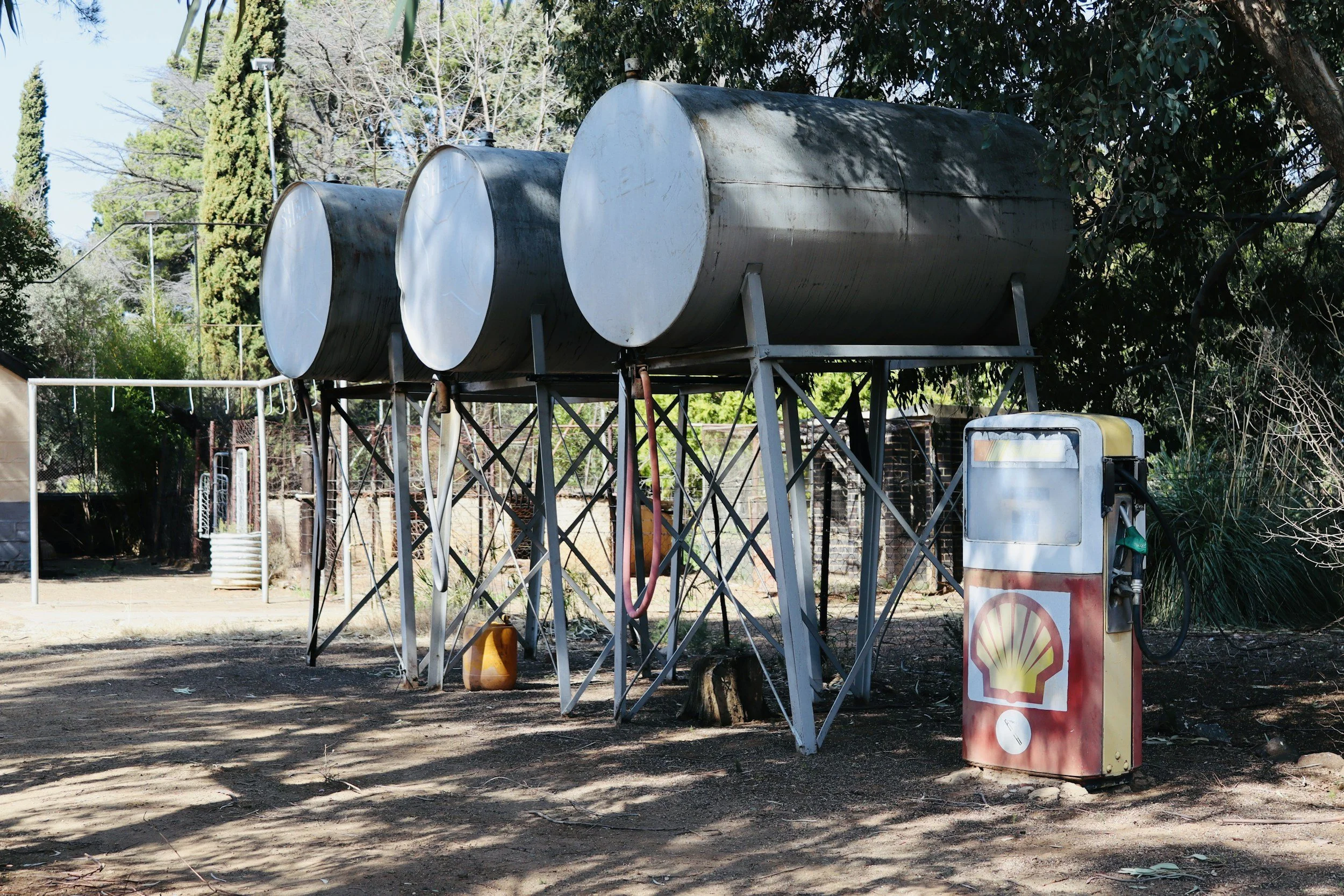
Biomass Utilisation: From Waste to Energy and Fertiliser Materials
Organic waste such as food waste and agricultural residues can be converted into energy or fertiliser raw materials through fermentation or gasification. In Japan, small-scale distributed biogas plants are operating in various locations, and mechanisms for converting regional waste into resources are gradually spreading.
TOYO ENERGY SOLUTION CO., LTD. (https://toyo-energy-solution.co.jp) is an enterprise that develops and provides systems for generating biogas from food scraps and food waste. The company's technology also accommodates the conversion of agricultural waste into energy, and efficient plant design at a small scale is its distinguishing feature. With a scale suitable for food processing facilities and agricultural installations in Southeast Asia, the company also contemplates proposals for overseas projects and possesses potential for international expansion.
Biogas systems can achieve both the reduction of waste disposal costs and energy self-sufficiency, making them attractive investment targets for overseas food manufacturing and agricultural operators. Moreover, the residue following fermentation can be utilised as fertiliser raw material, enabling combination with circular agriculture.
Japanese enterprises' biomass technology possesses strengths in small-scale distributed design. As large-scale plants are not required and processing can occur near the source of raw material generation, transport costs and management burdens can be suppressed. Overseas buyers can potentially collaborate with these enterprises through joint procurement of raw materials or technical partnerships for local installation.
The Strengths of Japan's Small and Medium Recycling Enterprises and Possibilities for International Expansion
The strengths of Japan's small and medium recycling enterprises lie in quality stability and traceability. Among small and medium recycling enterprises accommodating exports, not a few examples exist of firms conducting integrated management from raw material procurement through processing to shipment, capable of providing clear quality data for recycled materials and raw material history. This constitutes a requirement demanded in markets with stringent environmental standards and represents a condition for reliable procurement sources for overseas buyers.
Moreover, compliance with international standards such as ISO certification is advancing, and barriers to overseas transactions are diminishing. Enterprises that have obtained certification for environmental management systems (ISO 14001) or quality management systems (ISO 9001) in particular tend to be readily incorporated into the supply chains of global corporations.
On the other hand, international competition is intensifying, and enterprises in China and Southeast Asia are also enhancing their technological capabilities. For Japanese firms to maintain their competitive advantage, the development of high-value-added recycled materials and customised responses for individual customers become crucial. For overseas buyers, partnering with Japanese enterprises possessing these niche technologies enables the reduction of resource procurement costs and the strengthening of environmental compliance.
As concrete business opportunities, the following approaches may be considered. First, concluding regular procurement contracts for recycled pellets or flakes and utilising them as raw materials for one's own products. Second, introducing technologies such as biogas systems locally to achieve waste treatment and energy generation at one's own factories or related facilities. Third, jointly constructing with Japanese enterprises a recycled material supply network targeting third-country markets.
Japan's waste recycling technology, whilst not large in scale, is valued in international markets for quality and stability. Overseas buyers' establishment of relationships with these enterprises has the potential to lead to the construction of sustainable business models and differentiation in global competition.